Tensions in the Persian Gulf After the Arab Uprisings: Implications for U.S. Policy, June 29 at 9am‏

اضيف الخبر في يوم الجمعة ٢٤ - يونيو - ٢٠١١ ١٢:٠٠ صباحاً.



The Project on Middle East Democracy (POMED) presents:


Tensions in the Persian Gulf After the Arab Uprisings:

Implications for U.S. Policy


As the Arab Spring has swept across parts of the Middle East and North Africa over the past six months, large-scale popular protests have been generally absent in the Gulf. The one major exception is Bahrain, where demonstrations for political reform have been met simultaneously with a government crackdown on dissent and a pledge for reform through national dialogue. In response, President Obama stated: "The only way forward is for the government and opposition to engage in a dialogue, and you can't have a real dialogue when parts of the peaceful opposition are in jail. The government must create the conditions for dialogue, and the opposition must participate to forge a just future for all Bahrainis."

Mistrust between the government and opposition in Bahrain runs deep, and doubts remain as to whether the U.S. will follow up on its rhetoric to support democratic aspirations throughout the region with action. More broadly, the uprising in Bahrain has deeply affected regional power dynamics, which have in turn influenced Washington's approach toward the Gulf. With the national dialogue set to resume in early July, what are the prospects for change in Bahrain? What is the impact of the Arab uprisings on the GCC states and U.S. relations with those governments? Moreover, what are options for U.S. policy in this regard?
 
Please join us for a discussion of these issues with:

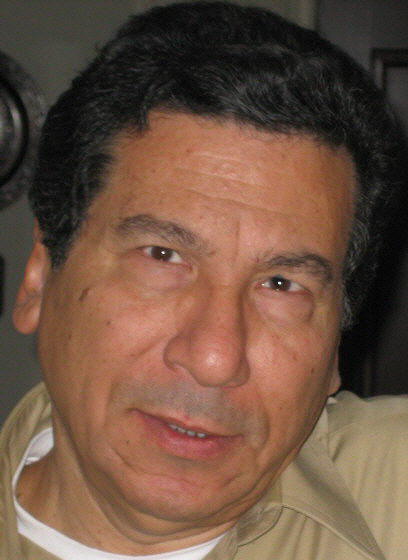
Leslie Campbell
Senior Associate and Regional Director for the Middle East and North Africa, National Democratic Institute

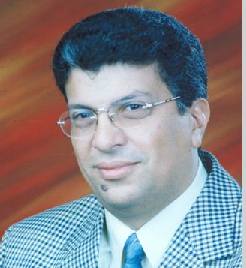
Hans Hogrefe
Chief Policy Officer and Washington Director,
Physicians for Human Rights


Joe Stork


Deputy Director of Middle East and North Africa Division,
Human Rights Watch


Moderated by Stephen McInerney
Executive Director, POMED


Wednesday, June 29th
U.S. Capitol Visitor Center, SVC 212-10
9:00am-11:00am

A light breakfast will be served.
 
Please RSVP by clicking here or by email to rsvp@pomed.org. Or, call us at (202) 828-9660 with any questions.
 
Copyright © 2011 The Project on Middle East Democracy, All rights reserved.
You are receiving this email because you expressed interest in receiving periodic emails from POMED.
Our mailing address is:

The Project on Middle East Democracy
1820 Jefferson Place, NW
Suite 400
Washington, District Of Columbia 20036
اجمالي القراءات 735
أضف تعليق
لا بد من تسجيل الدخول اولا قبل التعليق